Pinterest Marketing for Self-Published Authors
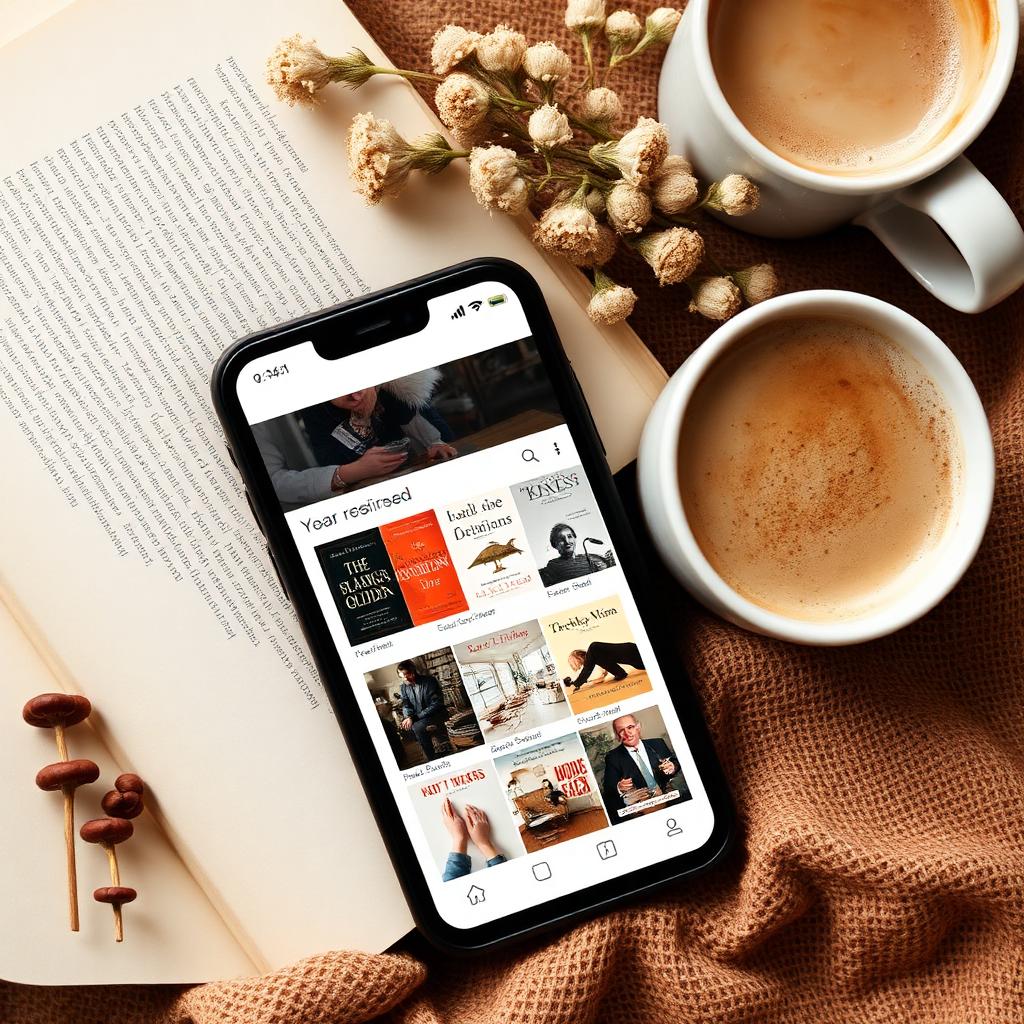
Pinterest is the most underrated traffic source in indie publishing. It is a visual search engine, not a social network, which means pins keep driving clicks for months — not the few hours an Instagram post is alive.
Why Pinterest works for books
The user intent on Pinterest is closer to Google than to TikTok. People search 'cozy mystery books' or 'best journals for ADHD' and click through to buy. If your cover is strong and your pin description is keyword-rich, you can compound organic traffic to your KDP listing for free.
The pin format that converts
Use a 2:3 vertical pin (1000×1500px). Show the cover prominently, add a short headline overlay, and write a 300-character description packed with the exact phrases your readers search. Link the pin directly to your Amazon listing or to a landing page that funnels to it.
Posting cadence
Five to ten fresh pins per week is the realistic minimum to start seeing impressions. You can repurpose the same book into ten pins by changing the headline, the overlay color, and the background. Pinterest rewards fresh visuals more than fresh content.
Common mistakes
Do not just pin your cover with no context. Do not link to your homepage. Do not use the same headline on every pin — you want to test multiple hooks and let Pinterest tell you which one earns saves.
What to do this week
Create a board for your genre, design five pin variants for your most recent title, and schedule them across the next two weeks. Then check impressions and outbound clicks at day 30 — Pinterest moves slower than Instagram but the curve compounds.
How BookPromo Engine helps
BookPromo Engine generates two Pinterest pin concepts — headline + description — per project, in the buyer language already used by your sub-category. Try it free — no card required.
Stop hand-writing your listing copy.
BookPromo Engine turns one cover upload into a full marketing kit — descriptions, keywords, A+ banners, and ad copy.
Try it free